The Short Version
Many of the hires I regret skipped the same step: no working interview, one run by someone too busy to pay attention, or no debrief with the right people. A working interview earns its place when it’s set up deliberately for every position and followed by a real conversation with your team.
When I look back at the hires I regret, a lot of them have something in common. Either the candidate never had a working interview, or the person running it was there in body but not in mind, or we skipped the conversation afterward with the people who actually saw the candidate work. We had a perfectly good tool and jumped straight to the offer without using it.
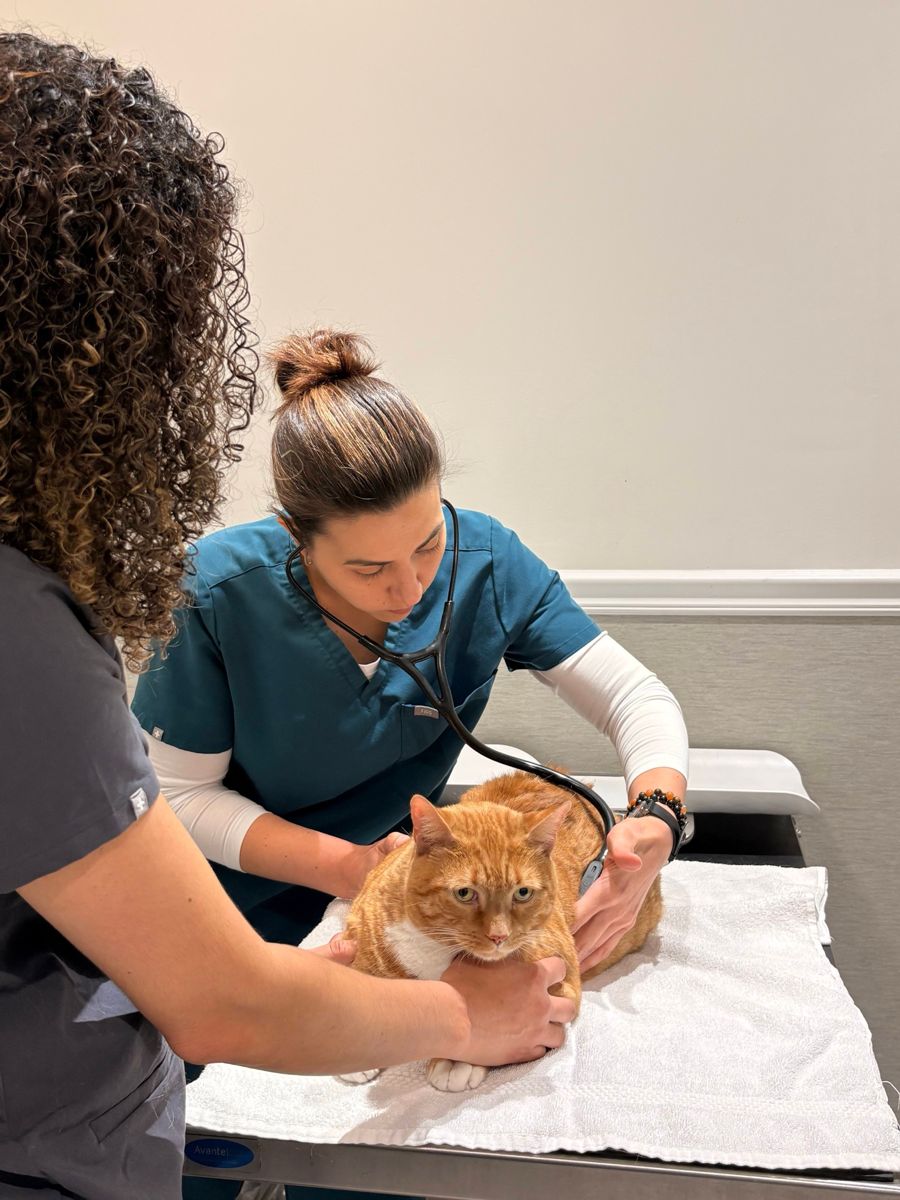
A working interview comes after the first interview, or several, and it runs in both directions. You’re deciding whether the candidate fits your hospital, and they’re deciding whether they can picture themselves there. They get a behind-the-scenes look at how the place really runs, and you get to watch how they interact with your team, your clients, and your patients. It’s for every position, from a new DVM to a CSR to kennel help.
I know what it asks of you: planning, a few hours of your team’s attention, and energy you may not feel you have to spare. But it’s an investment in your team, and a poor hire costs far more in the long run. I’ve skipped them myself, so I’ll ask the question I should have asked then: if you aren’t doing working interviews, why not?
It’s often the step with the biggest payoff. Earlier interviews are formal and work mainly to weed people out. A nervous candidate may never show you who they really are, and a seasoned interviewee may have every answer down pat. A working interview is more casual, so candidates relax enough for you to see them, and it’s where you confirm you want to move forward. A candidate who won’t do one has answered a question for you. If they won’t invest a few hours to see whether your hospital is right for them, they’ve selected themselves out.
Set it up before they walk in
Every hospital runs these a little differently. What matters is that the candidate knows what to expect.
Tell the candidate ahead of time
- How many hours, and what you expect of them
- How to dress
- Where to arrive, and who they’ll shadow
- Whether it’s hands-on or observation only
When they arrive, handle the paperwork, give them a tour, and introduce them to everyone.
My working interviews have always been observation only. If yours are hands-on, pay the candidate for that time, at the position’s hourly rate or a flat amount, and check with your employment attorney and insurance carrier first. Federal and state wage laws generally require pay for real work, whatever you call the day.
Nothing is worse than a candidate who arrives in her nicest dress and heels and spends the afternoon on the floor helping restrain a Lab puppy with strong opinions about his nail trim.
Pick the day and prepare the team
Skip your reliably chaotic Friday afternoon, when nobody has a spare second for the candidate, and your dead Tuesday morning, which shows them a practice you aren’t. Aim for a representative day, and let the team know in advance who’s coming and who’s responsible for them.
Pair the candidate with someone who picks up on details, communicates well, and can read people, which isn’t automatically your fastest technician or busiest CSR. Every team also has a few people who seem to see and know everything. You know who they are. Even if they aren’t leading the interview, ask them in advance to keep an eye on the candidate, because feedback on a hire should never come from one person.
What I watch for
Good signs
- Questions that show interest in the practice, the people, the systems, and the medicine
- Leaning in when something interesting happens
- Taking a correction and adjusting
- Treating the kennel assistant as well as the practice owner
Red flags
- Interrupting the team member or the client, or making the appointment about themselves
- Watching the clock or checking their phone
- Asking only about benefits, hours, and time off
- Excuses, defensiveness, or shutting down after a correction
- Talking poorly about clients, patients, a past employer, or former coworkers
- Questioning your protocols in a way that says they don’t like your medicine
- And obviously, inappropriate behavior or rough handling directed at a pet
Then there are the basics. Did they arrive on time and follow instructions all day? If their attire or hygiene was off, would a small adjustment fix it? On a hands-on day, allow for a few nervous shakes and watch whether they understand your instructions and handle the task competently.
Interest is easy to perform for an hour. I once had a licensed veterinary technician candidate with many years in the industry and all the right answers in her interviews. During the working interview, she went into the first few exam rooms and seemed engaged. About an hour in, she parked herself on a chair across the treatment room and watched the rest of the day from there. We didn’t hire her.
Compare that with a candidate I really liked. Her interview was observation only, and I had to remind her more than once not to help with restraint, because she kept jumping in out of habit. Each time, she stepped back and asked how she could help instead. That was simply who she was. Another candidate asked to stay a little past her time to see how a case we’d just started working up turned out.
And listen to your gut. Mine usually notices something before I’ve found the words for it.
Save the written test for strong candidates
If a candidate looks strong partway through the day, I give them a short written test for their position. If they’ve already shown us they aren’t the right hire, I don’t waste anyone’s time. Technicians identify microscope images, like roundworm ova or yeast from an ear swab, answer questions about common drugs, and walk me through setting up for a procedure. Veterinary assistants and CSRs get similar tests focused on vaccine protocols and medical terminology.
The test shows you who padded their résumé, because the résumé said one thing and the ear swab slide says another. It also shows where someone sits along that role’s path. A seasoned CSR should understand vaccine protocols easily, while someone newer might have a few blanks alongside real knowledge. I tell candidates the test helps us know exactly where they are and how much training will be needed.
Be present, not just in the room
Whoever runs the working interview has to be present in every sense, which means talking with the candidate, not just standing near them. I see this go wrong too often, and I understand why. We get busy, and the pet in front of us comes first. That’s the right instinct with a patient and the wrong one with a hire.
I learned that the expensive way. A DVM colleague wanted to observe every working interview and help make the final call. We had narrowed our search to two strong candidates. One had more experience on paper, but I wasn’t sure her personality would mesh with our team. The other was less polished technically but far more personable, and an easier fit with some additional skills training. My colleague chose the more experienced candidate, which surprised me a bit. It came out later that she had gotten busy, never really interacted with that candidate, and went with the stronger résumé. Our new hire struggled to work well with the team, which a working interview done properly would have caught.
Close the loop with the candidate and the team
At the end of the day, sit down with the candidate. Ask whether the medicine and workflow they saw made sense, and whether they have questions about any of the cases. Their answers tell you whether they were watching the work or the clock. Then tell them when they’ll hear back, and keep that promise.
Then circle back to your team before anyone makes an offer. The person who spent hours with the candidate saw things I never saw in a sit-down interview, and the receptionist saw things the technician didn’t witness. Skip that conversation, and you’ve run the working interview and thrown away the results.
Dr. V
The Gray Oak Journal
Keep reading
Dr. V is a veterinarian with over twenty years of clinical and operational leadership experience. She has owned and operated several veterinary hospitals, weathered many shifts in the industry, and served on advisory councils. She writes The Gray Oak Journal at grayoakjournal.com.